
Find the help you need for any problem
- Debt basics
- Personal loans
- Rates, fees & APR
- Credit score & eligibility
- Repayment & loan payments
- Loan application
- Debt consolidation
- All articles
What Happens If You Miss a Loan Payment (Fees, Credit Score, and Recovery)

Life rarely goes exactly to plan. Whether it’s a paycheck stuck in transit, an unexpected medical bill, or simply a card on file that expired without you noticing, missing a loan payment is a common, stressful reality. When it happens, the immediate panic is usually the same: How bad is this going to be?
The truth is, a payment that’s three days late is a world apart from one that’s thirty days past due. The severity of the fallout hinges almost entirely on how quickly you act. This guide walks you through the timelines, late fees, and credit consequences, providing the practical steps you need to take right now to stop the damage before it becomes a real, lasting problem.
In this article:
- What counts as a missed loan payment?
- Late payment vs missed payment
- What happens immediately after you miss a payment
- Missed payment timeline (30, 60, 90+ days late)
- How missed payments affect your credit score
- Does one missed payment ruin your credit?
- What to do immediately after missing a payment
- Can you negotiate with your lender after a missed payment?
- What happens if you continue missing payments?
- Secured vs unsecured loan consequences
- How to recover after a missed payment
- How to avoid missing future payments
- Where Pennie Financial fits
- Frequently Asked Questions
What counts as a missed loan payment?
A missed loan payment is defined as any payment failing to reach your lender by the specific due date outlined in your original loan agreement. While the definition sounds straightforward, the gap between a missed payment and a late payment causes frequent confusion. To understand your current status, you should recognize how three distinct dates interact to influence your account:
- The payment due date: This represents the contractually mandated deadline when your lender expects the funds to arrive. Meeting the date keeps your relationship with the creditor in good standing.
- The end of the grace period: Many lenders provide a buffer of several days following the due date before applying a penalty fee. This period acts as a courtesy, though some lenders maintain zero tolerance policies regarding such charges.
- The credit-reporting date: This serves as the most critical milestone for your financial profile. For most installment loans, your account remains unreported to the credit bureaus until it reaches the thirty-day delinquency mark.
These timing gaps explain why paying a few days late incurs a minor fee, whereas paying thirty-one days late triggers a major, lasting event on your credit report. Because policies vary significantly by institution, your loan agreement or online account portal remains your best resource for clarifying these specific timelines. You should verify your lender’s policy whenever a payment deadline approaches to avoid unexpected issues.
Late payment vs missed payment
Borrowers frequently use these terms interchangeably, yet the financial industry views them as separate events. Recognizing this distinction helps you determine if a simple oversight remains a private matter or becomes a permanent mark on your history.
Think of a late payment as a fee-based incident. Your payment arrives past the deadline but arrives inside that initial thirty-day window. During this phase, the lender focuses on collecting a penalty charge and interest accrued since the original due date. While the incident proves inconvenient and costly, it remains an internal affair. Major credit bureaus skip reports on these minor delays, meaning your credit file stays clean and your score avoids damage.
A missed payment signifies a shift toward delinquency. This label applies as soon as your account remains unpaid for thirty days or longer. Once the milestone arrives, the lender gains authority to report the delinquency to the credit bureaus. That report creates a thirty-day late mark on your credit history, where it persists for years.
Grace periods exist exclusively inside that first thirty-day zone. They function as a shield against penalty fees, though they offer zero protection against the reporting clock. Paying on day twenty-nine keeps the situation as a fee-based incident, whereas paying on day thirty-one forces the fallout of a reported delinquency.
What happens immediately after you miss a payment
Most lenders follow a predictable script. Once any grace period ends:
- A late fee gets assessed. Typically $25 to $40 for personal loans and credit cards. Mortgages and some installment loans use a percentage — often 4% to 5% of the late payment.
- Extra interest may accrue on the unpaid balance.
- The lender starts trying to reach you. Texts, emails, then phone calls. None of this is collections yet — it's standard servicing outreach, and picking up the phone is almost always smart.
- Your account will show “past due.” Sometimes labeled past due payment, past due fee, or payment overdue, depending on the lender.
What does not happen in the first few days: nothing reaches the credit bureaus, the loan doesn’t go to collections, and nothing gets repossessed. Those events sit further down the timeline.
Missed payment timeline (30, 60, 90+ days late)
Consequences for missing a payment escalate as time passes. Lenders follow a structured timeline, increasing the severity of their actions as the balance remains unpaid. The following table outlines the typical progression of these events:
| Days late | Typical consequences |
|---|---|
| 1–29 days | Late fee charged (after grace period). Reminder texts, emails, calls. Extra interest may accrue. No credit bureau reporting yet. Easiest window to recover. |
| 30 days | The lender typically reports the account as “30 days past due.” Score impact begins. Lender outreach continues. |
| 60 days | If still unpaid, reported as 60 days past due” — a more serious mark. Another late fee for the new missed payment. Calls and letters intensify. |
| 90+ days | Reported as “90 days past due” or worse. Default approaching. Account may be charged off (typically 120 to 180 days for unsecured loans). Secured loans face repossession or foreclosure risk. Debt may be sold to collections. |
The further down this table the account goes, the harder and slower the recovery. The first 30 days are the cheapest window to act in.
How missed payments affect your credit score
Payment history serves as the primary driver for credit scoring models. Any report of delinquency signals elevated risk to lenders, leading to an immediate drop in your score. Creditors generally transmit payment data to credit bureaus once an account reaches the thirty-day delinquency mark. Until that specific milestone, your credit file usually remains shielded from public reporting.
Several factors dictate the final impact on your score:
- Reporting thresholds: Credit bureaus only receive data once an account hits thirty days of delinquency. Until then, the late status remains an internal issue between you and your creditor.
- The weight of time: Negative marks carry different weights. A thirty-day delinquency causes damage, but a ninety-day delinquency indicates a severe breakdown in repayment habits, resulting in significantly deeper score reductions.
- Profile sensitivity: Borrowers with high credit scores often experience the most significant point drops. A missed payment contradicts years of financial reliability, making the negative entry stand out more prominently to future creditors.
Once a negative mark appears, rebuilding trust requires time and consistent on-time payments. Prioritizing the thirty-day window protects your long-term borrowing capacity and maintains the progress on your credit profile.
Does one missed payment ruin your credit?
A single missed payment rarely destroys your entire credit profile. While a thirty-day delinquency creates a temporary dip, your overall creditworthiness rests on long-term habits. A clean history provides enough stability to absorb isolated errors without catastrophic consequences. Once you resolve the delinquency and resume timely payments, the impact fades. View this incident as a brief hurdle rather than a permanent stain on your financial reputation.
What to do immediately after missing a payment
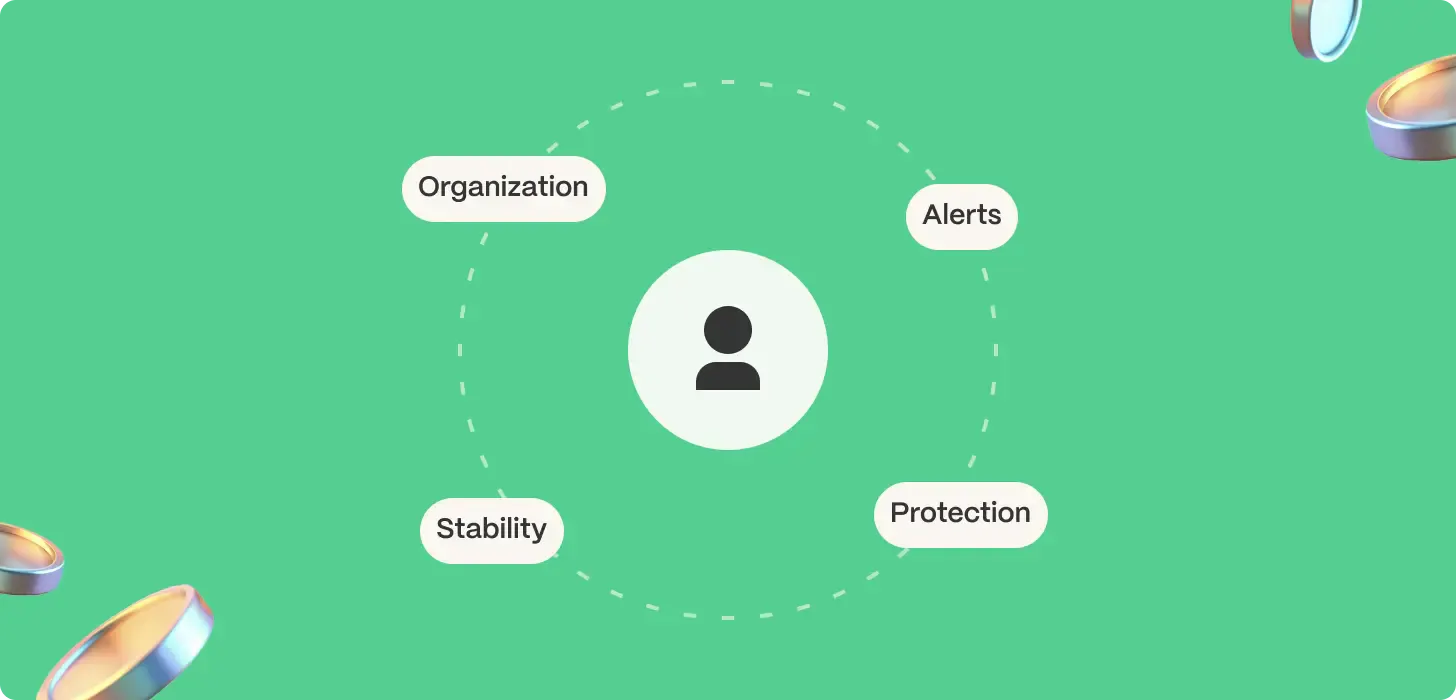
Financial stability depends on your ability to meet obligations reliably. Consistent organization acts as your best defense against payment errors, helping you avoid unnecessary fees and score damage. Use the following check-list to maintain account health:
- Activate autopay: Schedule recurring transfers to ensure funds arrive by the deadline, removing the risk of forgetfulness.
- Set advance alerts: Configure calendar notifications or banking apps to provide reminders five days before every due date.
- Synchronize dates: Adjust your billing cycles to align with your primary pay schedule for better cash flow management.
- Buffer your balance: Maintain a dedicated emergency reserve in your checking account to cover unexpected costs.
Proactive management keeps your finances predictable and protects your credit history from avoidable harm.

Can you negotiate with your lender after a missed payment?
Removing a legitimate missed payment from your credit report is challenging, as lenders are legally obligated to report accurate information to credit bureaus. If the delinquency occurred because of a genuine error on the lender’s part, you can initiate a formal dispute with the credit bureaus to have it corrected. However, if the payment was actually late, your best recourse is to write a “goodwill letter.” to the creditor.
By explaining the specific circumstances and highlighting your long history of timely payments, you may persuade them to voluntarily remove the negative mark as a gesture of goodwill. While success is not guaranteed, a polite, professional request often yields better results than simply waiting for the entry to age off your report.
What happens if you continue missing payments?
Chronic delinquency triggers a cascade of severe consequences. Once an account crosses the default threshold — typically 90 to 180 days — the lender classifies the debt as a total loss, often transferring it to collections. This transition permanently damages your credit score and ends your relationship with the original creditor. While catching up is the priority, it is helpful to understand the mechanics of your debt obligation; our guide on how minimum payments work on loans explains how interest accumulation shifts once an account drifts toward default.
For secured loans like auto or mortgage debt, you face the immediate risk of repossession or foreclosure, as the lender moves to recover their collateral. In extreme cases, they may even file a lawsuit to pursue wage garnishment or asset seizure.
Ignoring your lender is the most damaging mistake you can make. Communication gaps force creditors to escalate to formal legal action. Always reach out early, as even partial payments or modified terms can often prevent an account from reaching the point of default.
Secured vs unsecured loan consequences
The consequences of missed payments depend heavily on the type of loan you hold. With secured loans, such as auto financing or mortgages, the debt is tied to a specific asset. If you stop paying, the lender has a legal right to seize that collateral, leading to vehicle repossession or home foreclosure. If your credit has already taken a hit and you are worried about future approval, our bad credit loans guide provides a clear look at your options and what lenders actually consider during the underwriting process.
Unsecured loans, like credit cards, lack physical collateral, but lenders will still aggressively report delinquency to bureaus. For those navigating a mid-range score, we have curated a selection of the best personal loans for fair credit to help you connect with lenders who offer more flexible terms despite a recent blemish on your record.
While lenders cannot seize your property directly, they will aggressively pursue the debt by reporting the delinquency to credit bureaus, damaging your score. Many borrowers find it easier to manage a fixed monthly installment than a revolving credit card balance; our personal loan vs credit card comparison breaks down which approach is safer for your specific budget.
If the balance remains unpaid, they may eventually turn to professional collection agencies or file a lawsuit to obtain a court judgment, which could lead to wage garnishment or levies on your financial accounts.


How to recover after a missed payment
Recovering your credit standing is a process of consistent, positive reinforcement. Your first priority must be to establish a flawless streak of on-time payments, as current payment behavior carries significant weight in credit scoring models. By keeping every active account current, you demonstrate reliability and begin to dilute the impact of past mistakes.
Simultaneously, focus on aggressive debt reduction to improve your credit utilization ratio. Paying down high balances signals to lenders that you are actively managing your financial health rather than drifting into further debt. While the negative mark from the missed payment will remain on your report, its influence diminishes over time. Each month of responsible credit use acts as a building block, gradually restoring your score and proving that your financial habits have fundamentally improved.
If you are ready to move past a singular setback, our comprehensive guide on how to improve your credit score details the long-term habits that gradually pull your report back into the green.
How to avoid missing future payments
Managing debt effectively requires moving from reactive crisis control to proactive organization. To ensure you never miss a deadline again, consider these core strategies:
1. Automate everything.
Set up autopay for the minimum amount due on every account.
2. Establish a notification system.
A small, liquid savings fund acts as a buffer against life’s unexpected costs.
3. Audit your budget.
Review your monthly cash flow to ensure your income aligns with your payment dates.
If managing multiple due dates feels like a losing battle, it might be time to simplify your financial life — explore the best ways to consolidate credit card debt to roll high-interest balances into a single, predictable monthly payment. As you organize your budget, it is vital to know exactly what you are paying for; our look at personal loan rates and APR helps you distinguish between the sticker price and the true cost of borrowing.
Where Pennie Financial Fits
Navigating the complexities of borrowing can be overwhelming, especially when you are trying to balance immediate needs with long-term financial health. Pennie Financial serves as a resource to help you find clarity in these decisions. Rather than navigating the lending landscape alone, our platform allows you to compare various personal loan options side-by-side, giving you the transparency needed to make informed choices that fit your budget.
We believe that understanding your financial path is just as important as the loan itself. By outlining how Pennie works, we provide the tools and insights necessary to build a sustainable repayment strategy. Our goal is to empower you with the knowledge to make confident borrowing decisions today, setting a stronger foundation for your financial future.


Frequently Asked Questions
What happens if you miss a car payment?
A missed car payment typically triggers a late fee after a 10- to 15-day grace period and a credit bureau report at 30 days past due.
What happens if you default on a personal loan?
Default on an unsecured personal loan usually happens around 120 to 180 days of missed payments. The lender either continues collection itself or sells the debt.
What happens if you miss one credit card payment?
A missed credit card payment usually triggers a late fee the day after the due date and may bump your interest rate to a higher penalty APR for several months.
How late can a payment be before it affects credit?
Most lenders report to the credit bureaus once you cross the 30-day past-due mark.
Can I remove a late payment from my credit report?
Sometimes. If the late payment was reported in error, dispute it with the credit bureau and the lender — they have 30 days to investigate.
What if I miss a payment by one day?
For most loans, one day late is well inside the grace period and may not even trigger a late fee..
Can lenders waive late fees?
Yes, and many will if you ask. A one-time fee waiver on an account in good standing is one of the most common concessions lenders make.
Get loan offers in as little as 60 seconds
You deserve options. So we built an industry leading platform to compete for your business.

Loans up to $250,000
APR starting at 5.99%
Repayment terms up to 10 years
Your info is never sold