If you’re exploring how a personal loan might fit into your broader financial picture — whether for debt consolidation or managing other obligations — personal loan options across a network of lenders are available to compare. Understanding how the process works before applying puts you in a better position to make an informed decision.

Find the help you need for any problem
Topics
Credit score & eligibility
- Debt basics
- Personal loans
- Rates, fees & APR
- Credit score & eligibility
- Repayment & loan payments
- Loan application
- Debt consolidation
- All articles
Ready to move forward?Get started
How to Improve Your Credit Score: Steps That Actually Work

Your credit score is a three-digit number that tells lenders how reliably you’ve managed borrowed money in the past. It shapes whether you get approved, what rate you’re offered, and how much a loan ultimately costs you. A 50-point difference can mean thousands of dollars over the life of a loan — because the score genuinely reflects risk. Most people underestimate how much leverage they have over that number once they understand what actually moves it.
Five factors drive the score, each on its own timeline. Payment history carries the most weight, followed by credit utilization, account age, credit mix, and recent inquiries. None of them responds to shortcuts. What works is consistent behavior maintained over time — paying on time, keeping balances low, avoiding unnecessary applications. This guide covers what actually moves the needle, how long realistic progress takes, and the mistakes that quietly hold scores back longer than they should.
In this article:
- What Is a Credit Score and What Is Considered Good?
- How Credit Scores Work and What Affects Them Most
- How to Improve Your Credit Score Fast
- How to Build and Maintain a Good Credit Score Over Time
- Common Mistakes That Hurt Your Credit Score
- How Long Does It Take to Fix Your Credit Score?
- Habits That Help You Improve Your Credit Score
- Struggling With Debt? When to Get Help
- Credit Score Improvement Checklist
- Frequently Asked Questions
What Is a Credit Score and What Is Considered a Good Score?
A credit score is a number that summarizes your credit history and signals how reliably you manage borrowed money. Lenders use it to assess the risk of lending to you.
Several key factors shape your score: your payment history, credit utilization, length of credit history, types of credit accounts, and recent credit inquiries. Together, these elements give lenders a clear view of your financial habits and reliability, reinforcing why consistent credit behavior matters:
Why Your Credit Score Matters
When you apply for a personal loan or any other credit product, lenders use your score as a starting point for evaluating risk. It influences whether you get approved, what interest rate you’re offered, and what repayment terms are on the table. A borrower with a score of 760 and a borrower with a score of 580 applying for the same loan will likely see very different offers — sometimes a difference of ten or more percentage points in APR.
That said, credit score is one input among several. Lenders also weigh your income, employment stability, existing debt load, and overall financial profile. A strong score can open doors, but it doesn’t guarantee approval, and a lower score doesn’t automatically close them. Understanding how personal loans can affect your credit score is part of managing both strategically.
How Credit Scores Work & What Affects Your Credit Score the Most?
Your credit score updates as lenders report new activity to the bureaus — payments, balances, new accounts, delinquencies. Understanding the main factors that drive these updates helps you see where your actions matter most:
1. Payment History
Your record of paying bills on time strongly shapes your credit score. A missed payment is reported as a delinquency and can drop your score significantly. The damage compounds if it goes to 60 or 90 days past due.
2. Credit Utilization
Take your total credit card balances, divide by your total limits, and that percentage is your utilization. Carry $3,500 across cards with a combined $10,000 limit, and you’re at 35%. Keeping utilization below 30% is the common guidance; below 10% tends to produce the strongest scores.
3. Length of Credit History
Lenders want to see a track record, and that takes time to build. This one moves slowly by definition. Closing old accounts shortens your history; keeping them open (even unused) tends to help.
4. Credit Mix
Having different types of credit signals that you can manage different kinds of debt. This factor matters less than utilization or payment history, and you shouldn’t take on new debt just to improve your mix.
5. New Credit Inquiries
Each hard inquiry (a full application) causes a small, temporary decrease. Stack several applications in a short period, and the effect multiplies fast. Soft inquiries don’t affect the score at all.
To see these factors in action, consider a typical scenario: someone carries a $2,800 balance on a $4,000 limit card, misses a single payment, and watches their score drop from 641 to 598. Paying down the balance and staying current gradually brings it back, first to 634, then to 651 as the balance falls further.
How to Improve Your Credit Score Fast
Most credit improvements take months, but some factors move faster than the rest. The ones worth prioritizing first are listed below.
- Pay Down Revolving Balances. Utilization updates when your lender reports your new balance to the bureaus — usually once a month. Paying down a card from 75% utilization to 25% before the statement closes can produce a visible score improvement within 30–60 days.
- Catch Up on Any Missed Payments Immediately. Delinquencies don’t sit still — every week without action pushes the damage more serious. Getting current stops the bleeding. It doesn’t erase the late payment.
- Dispute Errors on Your Credit Report. Errors are more common than most people realize — and they affect your score the same as legitimate negative marks. Check your report for anything inaccurate and dispute it directly. Corrections can show up in your score within 30–45 days.
- Keep Old Accounts Open. An unused card still does two things for your score: it keeps your average account age intact and adds to your total available credit. Close it, and both take a hit simultaneously. The simplest move is to leave it open and run a small charge through it every few months.
- Limit New Applications. Every full application triggers a hard inquiry, and the effect stacks when you submit several in a row. The individual impact is minor. Cluster several applications together, and the combined effect becomes visible. For loan comparisons, keeping applications within a 14–45 day window limits the damage.
The steps above address the core factors that shape your score over time. Some of them, though, produce results faster than others — and it’s worth knowing which ones to move on first.
Quick Wins
Actions That Can Move Your Score Within 30–60 Days
- Pay down credit card balances
- Catch up on any missed payments immediately
- Dispute and correct errors on your credit report
- Request a credit limit increase to lower the utilization ratio
- Become an authorized user on a family member’s account with good standing
How to Build and Maintain a Good Credit Score Over Time
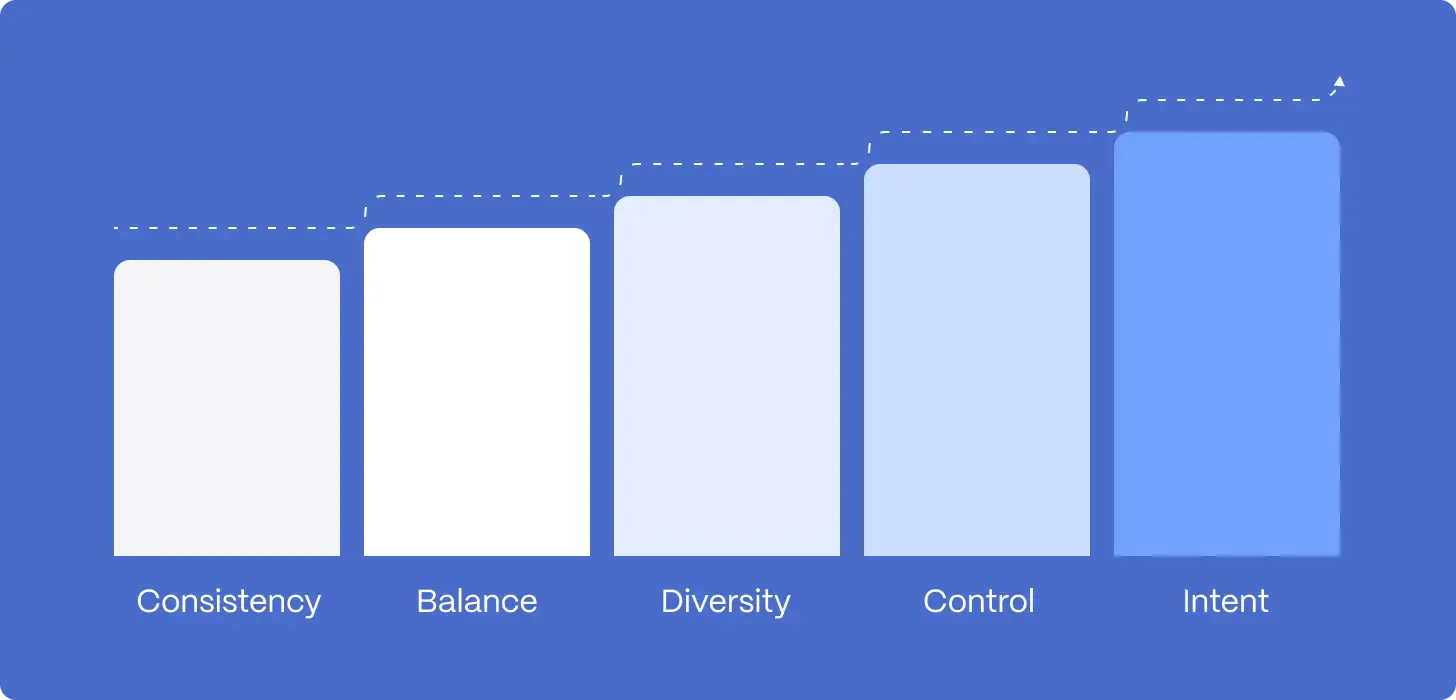
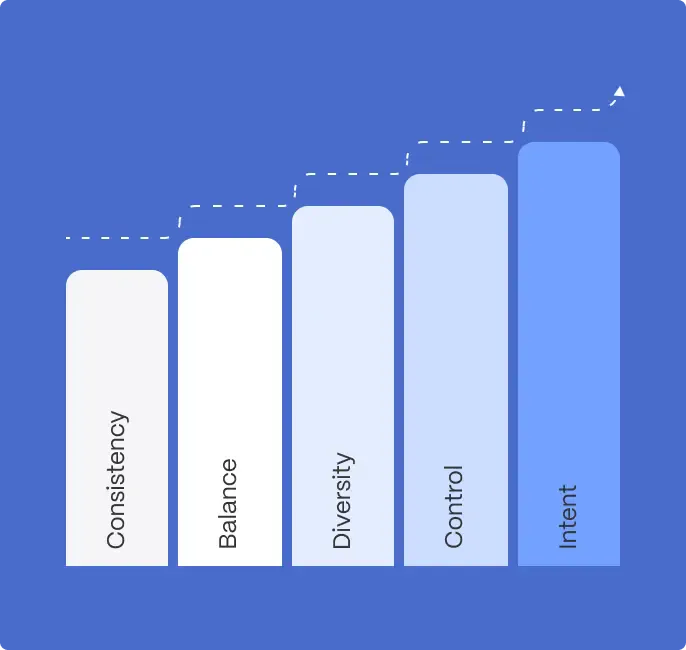
Fast wins matter, but they only take you so far. What follows are the habits that actually compound over time.
Build a Consistent Payment History
No other factor in your score compounds the way this one does. Every on-time payment adds to a track record that builds quietly in the background. Autopay for at least the minimum on every account is the simplest way to protect it.
Keep Utilization Low Consistently, Not Just at Statement Time
Some borrowers pay their balance down before the statement closes, then spend it back up. The score reflects the reported balance — usually what shows on the statement — but lenders who pull your full report can still see patterns.
Diversify Credit Types Responsibly
Revolving accounts and installment loans signal different things to lenders — having both suggests you can manage varied obligations without difficulty. If structured borrowing already makes sense for your situation, it’s worth understanding how personal loans affect your credit score before you apply.
Avoid Relying on Short-Term, High-Cost Debt
Payday loans, cash advances, and similar products don’t build credit history, and the financial stress they create often leads to missed payments that damage your score.
Use Credit Intentionally, Not Reactively
Borrowing because something is available is different from borrowing because it makes financial sense. The difference between those two motivations shows up in your score over time.
Common Mistakes That Hurt Your Credit Score (and How to Avoid Them)
Most credit damage isn’t the result of a financial crisis. It comes from habits that seem harmless until the score drops. These are the ones that come up most often:
1. Missing Payments
A single 30-day delinquency can cause a significant score drop that stays on your report for seven years. Autopay for at least the minimum on every account removes this risk entirely.
2. Carrying High Balances
Utilization above 30% starts pulling your score down, even if you never miss a payment. Paying down balances before your statement closes is the fastest way to fix it.
3. Closing Old Accounts
Shutting down a card you don’t use reduces available credit and shortens account history simultaneously. Leave it open — the cost is zero, and the benefit is real.
4. Applying for Multiple Accounts at Once
Each application triggers a hard inquiry, and several in a short period compound the effect. Use soft-pull prequalification to gauge eligibility before committing to a full application.
5. Ignoring Your Credit Report
Errors drag your score down the same way legitimate negative marks do. Checking your report regularly is the only way to catch them before they do lasting damage.
6. Co-signing Without Understanding the Risk
The debt appears on your report as your own, and missed payments by the primary borrower hit your score directly. Only co-sign for someone whose repayment habits you trust completely.
How Long Does It Take to Fix Your Credit Score?
It depends on what’s dragging the score down and what positive activity you’re building. There’s no single answer, but the timeline varies significantly depending on which factors are involved. A few reference points worth knowing:
| Action | Typical Timeline for Score Impact |
|---|---|
| Disputing and removing a credit report error | 30–45 days |
| Paying down high credit card balances | 30–60 days |
| Catching up on missed payments | 1–3 months |
| Building a consistent payment history | 3–6 months |
| Derogatory marks (late payments, charge-offs) | Remain on report for 7 years under FCRA |
| Bankruptcy | Remains on report 7–10 years under FCRA |
Habits That Help You Improve Your Credit Score
Short-term fixes address symptoms. The score that holds up over time is built on a handful of repeatable behaviors that become second nature. Four of them do most of the work:
- Monitor Your Credit Regularly. Your own score checks don’t count against you in any way. Reviewing your full report at least annually lets you catch errors early, track progress, and notice anything unexpected before it compounds.
- Set Up Autopay or Payment Reminders. Payment history is 35% of your score, and forgetting a due date is completely avoidable. Setting up autopay for at least the minimum turns the most damaging mistake into a non-issue. If autopay isn’t your preference, calendar reminders set a few days before each due date accomplish the same thing.
- Budget to Avoid Missed Payments. Most missed payments aren’t the result of not caring. They’re the result of cash flow problems. Building a budget that accounts for all debt obligations before discretionary spending makes missed payments less likely.
- Track Your Utilization Across All Cards. You can’t manage utilization if you don’t know where it stands. A simple monthly check, total balances divided by total limits, takes minutes and tells you whether you’re approaching a threshold that will affect your score.
Borrowing decisions, like taking on a consolidation loan or a new personal loan, don’t happen in isolation. Platforms like Pennie Financial help you see how each one interacts with your credit profile before you apply. If you’re not sure where to start, see how Pennie finds your best rate before your first application.
Struggling With Debt? When to Get Help
Improving your credit score gets harder when the underlying debt load is the real problem. At a certain point, habit changes alone aren’t enough.
Debt can quietly cross a line where individual adjustments stop working. Recognizing that line early gives you more options.
A few signs it may have already happened:
- You’re making only minimum payments, and balances aren’t moving.
- You’ve missed payments because the money genuinely wasn’t there.
- Multiple accounts are delinquent or in collections.
- You’re using new credit to cover existing obligations.
When those signs are present, structured options exist. The right one depends on your situation and what you can realistically qualify for:
- Nonprofit credit counseling — free or low-cost guidance that reviews your full financial picture and helps map out a realistic path forward.
- Debt consolidation — if you can qualify for a personal loan at a lower rate than your current balances, consolidation can simplify repayment and reduce total interest cost; run a personal loan vs a line of credit comparison before choosing a structure.
- Direct creditor contact — creditors sometimes offer hardship programs before accounts become severely delinquent; worth trying before escalating.
Credit Score Improvement Checklist
The habits covered in this guide come down to a handful of repeatable actions. Keep this list somewhere visible and work through it consistently:
- Pay every bill on time
- Keep each card below 30% of its limit
- Check your credit report regularly
- Avoid applying for new credit unless you have a specific reason
- Contact creditors proactively if cash flow issues arise
Frequently Asked Questions
How fast can I improve my credit score?
It depends on what’s affecting your score and what changes you make. Paying down high balances and correcting errors can produce visible improvements within 30–60 days. Rebuilding after missed payments or significant delinquencies takes three to six months.
What is the fastest way to improve a credit score?
Paying down revolving balances is typically the fastest lever, since utilization updates with each monthly reporting cycle.
Does checking my credit score lower it?
No. Checking your own credit score is a soft inquiry and has no impact on your score.
How much does a missed payment affect my score?
The impact varies based on your starting score and overall credit profile — a borrower with a higher score generally sees a larger drop than someone whose score is already low.
Can I improve my credit score without a credit card?
Yes. On-time payments on installment loans — personal loans, auto loans, student loans — build payment history the same way credit cards do.
What is a good credit utilization ratio?
Below 30% is the commonly cited threshold for avoiding negative impact. Below 10% tends to produce the strongest scores.
Will paying off debt increase my score immediately?
It can, but the timing depends on when the lender reports the updated balance to the bureaus — usually once a month.
Share
Ready to move forward?Get started
Get loan offers in as little as 60 seconds
You deserve options. So we built an industry leading platform to compete for your business.

Loans up to $250,000
APR starting at 5.99%
Repayment terms up to 10 years
Your info is never sold