
Find the help you need for any problem
- Debt basics
- Personal loans
- Rates, fees & APR
- Credit score & eligibility
- Repayment & loan payments
- Loan application
- Debt consolidation
- All articles
Best Strategies to Pay Off a Loan Faster Without Hurting Your Budget

Paying off a loan early serves as a powerful way to reduce total interest costs and achieve debt-free status ahead of schedule. Success in this endeavor requires strategies tailored to specific financial constraints. While some methods involve minor budget adjustments like biweekly payments or occasional extra contributions, others demand more significant steps such as refinancing or temporary income growth.
This guide offers practical, realistic approaches to loan repayment, focusing on sustainable habits rather than extreme budgeting advice. Each strategy provides clear pathways to save money and regain financial flexibility through careful planning and intentional execution.
In this article:
- Can you pay off a loan early?
- Benefits of paying off a loan faster
- Make extra payments when possible
- Switch to biweekly payments
- Refinance your loan
- Focus on high-interest debt first
- Cut unnecessary loan costs
- Increase income temporarily
- Should you pay off your loan early or invest instead?
- Risks of paying off a loan too aggressively
- Where Pennie Financial fits
- Frequently Asked Questions
Can you pay off a loan early?
The majority of personal loans in the United States permit early repayment. Most major lenders welcome the chance to clear a balance ahead of schedule, often without applying additional fees. Always confirm the specific terms of your agreement before you commit to an accelerated plan, as some auto loans, older private student loans, and subprime installment products contain language regarding prepayment.
A prepayment penalty represents a charge from the lender for settling the debt before the original deadline. This fee typically consists of a percentage of the remaining balance or a calculated portion of future interest. Carefully weighing this cost against the interest you expect to save helps ensure that early payoff remains a beneficial financial move rather than an added expense.
Borrowers prioritize early repayment to achieve three primary objectives: minimizing the total interest paid over the life of the loan, removing a recurring monthly obligation from their budget, and experiencing the psychological relief that accompanies total debt freedom. A quick conversation with your lender provides clarity on your specific terms, while our guide on APR and personal loans offers further details on how interest accumulates.
Benefits of paying off a loan faster
Reducing your repayment timeline provides significant financial advantages that reach well beyond your monthly statement. By shrinking the principal balance earlier, you drastically lower the total interest accrued over the life of the loan — a benefit felt most strongly during the initial months when interest charges are at their peak. This guide on how minimum payments work on loans explains how the math plays out when you stick to the minimum versus paying extra.
Simultaneously, clearing the debt ahead of schedule optimizes your debt-to-income ratio and frees up consistent cash flow, creating both the financial flexibility needed for future credit applications and the long-term stability required for personal savings goals.
Beyond the numbers, the removal of a monthly obligation creates lasting peace of mind. Many borrowers describe the psychological relief of a closed account as the most rewarding part of the entire process.
Consider a $15,000 personal loan at 12 percent APR over 60 months; the total interest cost reaches approximately $5,015. Adding $100 to each monthly payment shortens the term by about 14 months and saves nearly $1,400, demonstrating how even modest adjustments generate meaningful wealth.
Make extra payments when possible
Consistent extra contributions represent the most flexible path toward shrinking your loan balance. Every dollar directed toward the principal reduces the base for future interest calculations, which accelerates the payoff timeline. Small, regular amounts — even $25 or $50 per payment—create a powerful compounding effect over the life of the loan.
One-time lump sums from tax refunds, work bonuses, or sales of unused items offer excellent opportunities for progress. These windfalls serve as effective tools for bypassing interest costs, provided you confirm with your lender that the funds apply directly to the principal balance rather than acting as a credit for future billing cycles.
A $15,000 loan at 12 percent APR illustrates this impact clearly. Applying a single $1,000 lump sum during the twelfth month reduces the total repayment period by approximately three months while saving around $400 in interest. This strategy requires only intentionality and clear communication with your lender regarding payment application.
Switch to biweekly payments
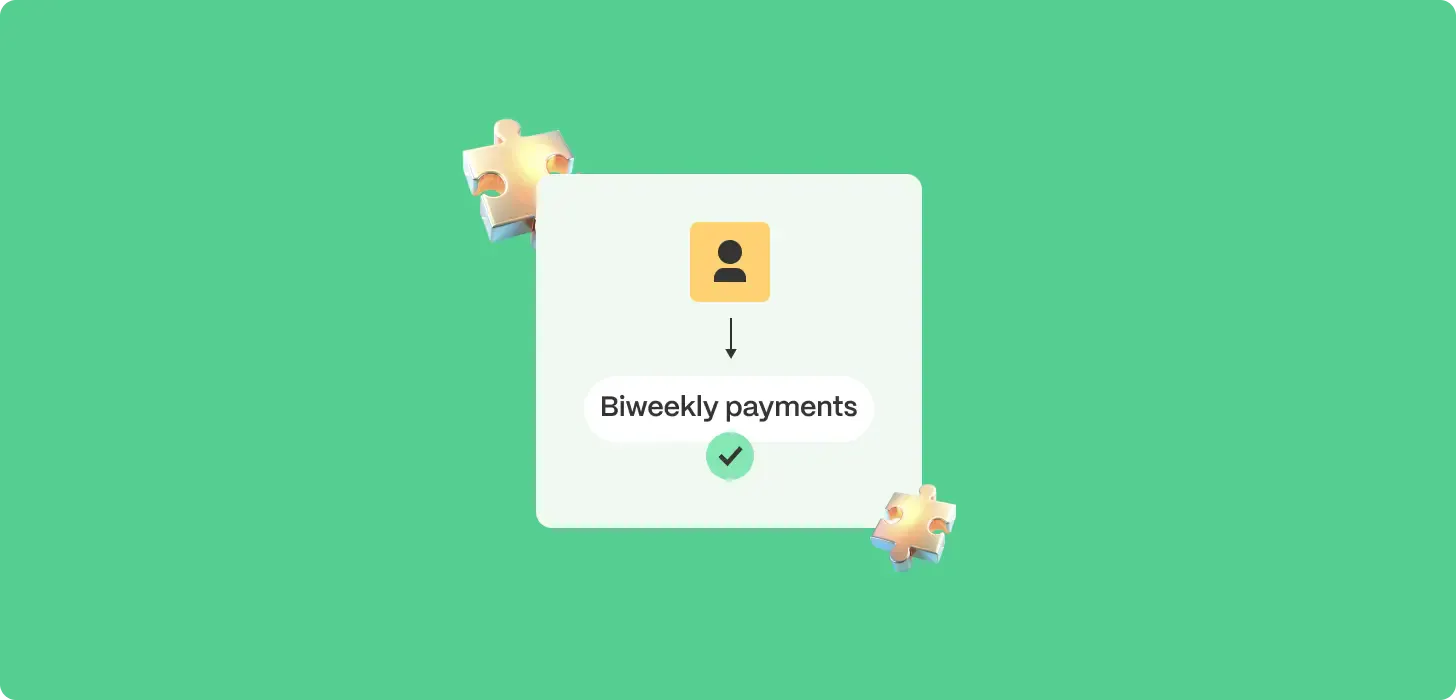
Switching to a biweekly schedule acts as a subtle yet highly effective strategy for accelerating debt repayment. Instead of making one monthly installment, you pay half the monthly amount every two weeks. This simple shift results in 26 half-payments annually, which equals 13 full monthly installments. That extra full payment each year consistently chips away at the principal balance, trimming months off the loan term.
The math proves the value of this approach. On a $20,000 loan at 10% APR over 60 months, making a biweekly payment of $212.50 results in finishing the loan about five months early, saving roughly $500 in interest. Before beginning, verify that your lender processes partial payments immediately toward the principal, as some systems hold these funds in a suspense account until a full monthly amount accumulates.
Refinance your loan
Refinancing replaces your existing loan with a new agreement, ideally securing a lower interest rate or a more favorable term. This move makes sense when you can drop your APR by at least 1.5 to 2 percentage points, provided the savings outpace any origination fees. A soft credit check at most lenders helps you determine if you qualify for these improved terms before committing.
However, refinancing requires caution. Extending the loan term to reduce monthly payments often results in higher total interest costs, even at a lower rate. Always treat this as a strategic tool rather than an automatic default move. If you carry multiple debts, consolidation provides a way to roll them into a single, fixed payment, though you should carefully weigh the trade-offs before proceeding.
Focus on high-interest debt first
If you’re juggling more than one debt, which you attack first changes how much interest you pay overall. The strategy that minimizes interest is the avalanche method: list every debt by APR, put extras toward the highest-rate one while making minimums on the rest, then move down the list.
A dollar applied to a 24% credit card saves more interest than the same dollar applied to a 7% auto loan. Killing the most expensive debt first cuts off the largest interest stream — mathematically the cheapest way out.
The trade-off is psychological. Your highest-rate debt might also be a large balance that takes a while to chip down. That's where the snowball method comes in — paying off the smallest balance first regardless of rate, then rolling that payment into the next-smallest. You pay more total interest, but the fast wins keep some borrowers going.
Here’s how the two methods compare:
| Method | How it works | Best for |
|---|---|---|
| Avalanche | Pay extra on the highest-APR debt; minimums on the rest. Move down as each clears. | Borrowers focused on minimizing total interest who don't need quick wins to stay motivated. |
| Snowball | Pay extra on the smallest balance; minimums on the rest. Roll each payoff into the next-smallest. | Borrowers who need momentum to stay committed, even if it costs a little more in total interest. |
Cut unnecessary loan costs
Finding extra money for a loan doesn’t require a complete budget overhaul. Most people can trim $50 to $200 a month without feeling a major pinch. Start by auditing your subscriptions. Streaming services, gym memberships, software trials, and app subscriptions often renew automatically without notice. Cancel the ones you don’t use and redirect those savings straight toward your loan principal.
Next, take a look at impulse spending. A $40 dinner out once a week adds up to $2,080 a year. Redirect even half of that amount to your loan, and you could shave months off your repayment term. Temporary cuts can help too. Consider scaling back on premium grocery brands, paid parking, or vacation upgrades—things you can comfortably live without for six months, even if not forever. The key is to treat it as a short-term adjustment, not a permanent sacrifice.
Automating payments is another easy win. Most lenders offer a small interest-rate discount — often around 0.25 percentage points — for enrolling in autopay. You’ll also avoid late fees and protect your payment history. The combination of a lower rate and consistent on-time payments makes autopay one of the simplest, lowest-effort ways to save money while repaying a loan.
Increase income temporarily
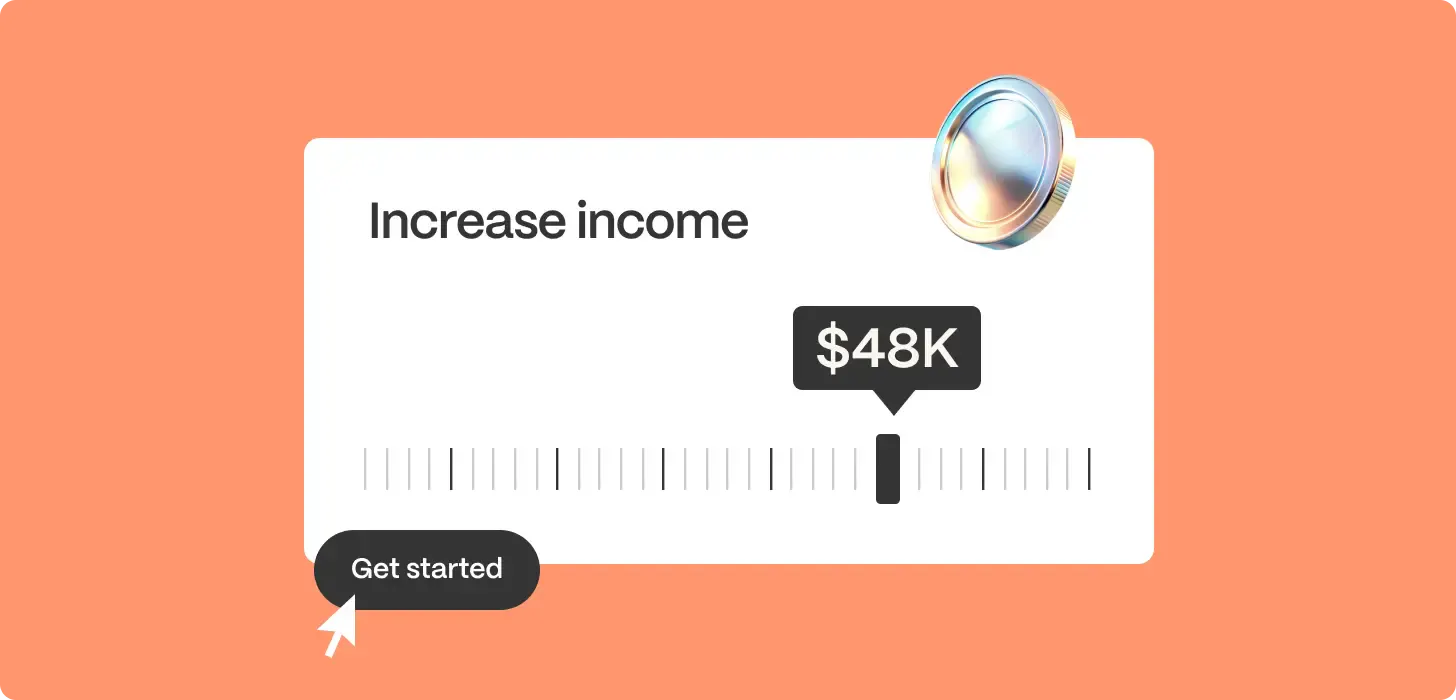
You don’t need a permanent second job to make progress. A short burst of extra income, used intentionally, can compress your loan term by months. Freelance or contract work is a good starting point. Skills you already have — design, writing, coding, tutoring, bookkeeping — can bring in steady cash with just a few hours a week. Earmark that income specifically for the loan. Overtime at your current job works the same way. A few extra hours each month can easily cover an additional payment without touching your regular paycheck.
Selling unused items is another quick source of funds. The bike you haven’t ridden in two years, old electronics sitting in a drawer, or furniture from a former apartment can turn into real money with a weekend on Facebook Marketplace. Side gigs like driving, delivery, pet‑sitting, or tutoring are available on demand and work well as a closer when your loan is down to its last few months. The key is to keep the extra income separate from your normal budget. Mixed with everyday cash flow, it tends to disappear.
Should you pay off your loan early or invest instead?
Aggressive debt repayment can feel productive, but it sometimes comes at the expense of other financial priorities. The right balance depends on your situation. Here’s what to weigh:
1. Emergency fund importance.
Most planners recommend keeping three to six months of essential expenses in cash before throwing everything at a loan. Skip that step, and the next surprise tends to land on a credit card at a much worse rate.
2. High‑interest vs low‑interest debt.
High‑interest debt—credit cards, payday loans, unsecured personal loans above 15–20%—almost always wins the priority battle. Low‑interest debt is a closer call. Paying it down quickly may feel good, but investing the extra money often makes more mathematical sense.
3. Balancing savings and repayment.
Contributing enough to a 401(k) to capture the full employer match while putting extra toward debt usually beats picking just one. Free match money is an immediate guaranteed return—often 50% to 100%—that beats any interest rate.
4. Individualized decisions.
Loan rate, tax situation, job stability, and risk tolerance all weigh in. There’s no single right answer for every borrower.
The type of loan you have can influence your payoff strategy. This piece on secured vs unsecured personal loans explains how collateral changes the risk and repayment picture.
Risks of paying off a loan too aggressively
Paying off debt is good, but paying it off at the expense of everything else can sometimes backfire. Let’s walk through what can go wrong:
- Draining emergency savings. The most common mistake. Aggressive payoff that leaves you with less than a month of basic expenses is fragile. One car repair or medical bill lands on a credit card at a much higher rate than the loan you just cleared.
- Cash flow problems. Even with some savings, sending too much each month can stretch your budget thin. If a payoff plan requires overdrafts or floating bills on a card, you’ve gone too far.
- Neglecting higher‑interest debt. Killing a 7% personal loan while a 22% credit card sits untouched is the wrong order. Always attack the highest‑rate debt first.
- Prepayment penalties. Some loans include a fee for paying off early. If the penalty eats most of the interest you would save, letting the loan run its full term may cost less.
A paid‑off loan with an empty checking account is often worse than an outstanding loan with a healthy emergency fund. Keep at least one month of essential expenses untouched while you accelerate payoff — preferably three to six. If you stretch yourself too thin and miss a payment, the consequences add up quickly. Our article on what happens if you miss a loan payment covers late fees, credit damage, and penalty rates.
Where Pennie Financial Fits
Pennie Financial is not a direct lender. It helps you explore loan options before you make a decision. You fill out one form, and the platform runs a soft credit check to show you prequalified offers from multiple lenders. Your credit score stays unchanged while you compare rates and terms. You can see current offers on personal loans.
To understand how the matching process operates, read how Pennie works. Once you choose an offer, the lender handles the formal application and hard inquiry. Pennie does not guarantee approval — every lender makes its own decision based on your profile.


Frequently Asked Questions
Is it good to pay off a personal loan early?
For most borrowers, yes. Early payoff reduces total interest, frees cash flow, and removes a monthly obligation. Main exceptions: loans with prepayment penalties large enough to outweigh the savings, and cases where the money would do more in an emergency fund or against higher-rate debt.
Can you pay off a car loan early?
Usually, yes. Most auto loans allow early payoff without penalty, though a few captive lenders include prepayment clauses.
Do extra payments reduce interest?
Yes — as long as the lender applies the extra to principal rather than next month’s bill.
Can you make biweekly loan payments?
Yes, with most lenders. Paying half your monthly amount every two weeks results in 26 half-payments — equivalent to 13 monthly payments a year.
Does paying off a loan early hurt your credit?
Usually not, but scores can dip slightly. Closing an installment loan reduces credit mix and shortens average account age — minor scoring factors.
What is the fastest way to pay off a loan?
A lump-sum payoff if you have the cash and no prepayment penalty.
Should I refinance or make extra payments?
It depends on the rate gap. If you can refinance to an APR at least 1.5 to 2 percentage points lower and fees don’t eat the savings, refinancing is worth the application. If the gap is smaller, or there's a meaningful origination fee, extra payments are simpler and often cheaper.
Get loan offers in as little as 60 seconds
You deserve options. So we built an industry leading platform to compete for your business.

Loans up to $250,000
APR starting at 5.99%
Repayment terms up to 10 years
Your info is never sold